
How to Make American Made Flags Last Longer
Last Updated: October 28, 2026
Quick Summary
American made flags are constructed to tighter material and stitching standards than most imported alternatives, so they resist fraying, fading, and tearing for longer under the same conditions. A daily-flown outdoor flag typically lasts about 90 days in continuous wind, rain, and sunlight, while occasional or fair-weather display commonly reaches 6 to 12 months.
Sewn stripes and appliqued stars build color into the fabric instead of applying it to the surface.
Reinforced fly-end hems and lock-stitched seams resist unraveling under continuous flogging.
Ultra heavy duty polyester ranks as the top 2026 choice for longevity, with nylon preferred for daily use.
A monthly inspection and taking the flag down before storms extends lifespan more than any product.
Retire a flag when the fly end is frayed, seams separate, or grommets pull free.
Table of Contents
Why American Made Flags Last Longer Than Imports
According to the Flag Manufacturers Association of America, 94% of American flags sold are manufactured domestically, and that domestic dominance is not just a matter of sentiment. At North American Flags, we have spent more than five decades watching what happens to a flag after it leaves the box, and the difference between a well-built American made flag and a mass-produced import shows up fast in wind, sun, and rain.
American made flags are constructed to tighter material and stitching standards than most imported alternatives, so they resist fraying, fading, and tearing for longer under the same conditions. That construction gap is the real reason domestic flags last, not a marketing slogan. The domestic flag manufacturing industry generated $103.6 million in revenue in 2026, a 1.4% climb in the most recent period (IBISWorld industry report), which tells you buyers still pay for quality when they can verify it.
How Long Do Outdoor American Flags Last?
A daily-flown outdoor American flag typically lasts about 90 days when it faces continuous wind, rain, and sunlight, according to Custom Flag Company guidance. Flags flown occasionally or in milder conditions commonly reach 6 to 12 months.
Exposure Level | Typical Lifespan | What Drives Wear |
Daily, continuous, harsh weather | ~90 days | Constant flogging, UV, moisture |
Daily, mild climate | 6-9 months | Sun fading, moderate wind |
Occasional and fair-weather display | 9-12+ months | Limited UV and abrasion |
Indoor or ceremonial use | Years | Minimal environmental stress |
Nylon vs Polyester American Flag: Which Handles Weather Better?
For 2026, industry analysis ranks ultra heavy duty polyester as the top choice for longevity, with nylon preferred for daily use and cotton reserved for ceremonial or historical display (Federal Flags material guide). A common mistake is buying cotton for a windy pole and wondering why it shreds by summer.
The Most Durable American Flag Material for Your Climate
Watch out: choosing a lightweight decorative flag for a constantly windy pole is the single fastest way to burn through replacements. Match the fabric to the exposure, and the replacement interval stretches. Browse our state flags to find durable options for your climate.
Construction Details That Decide Flag Lifespan

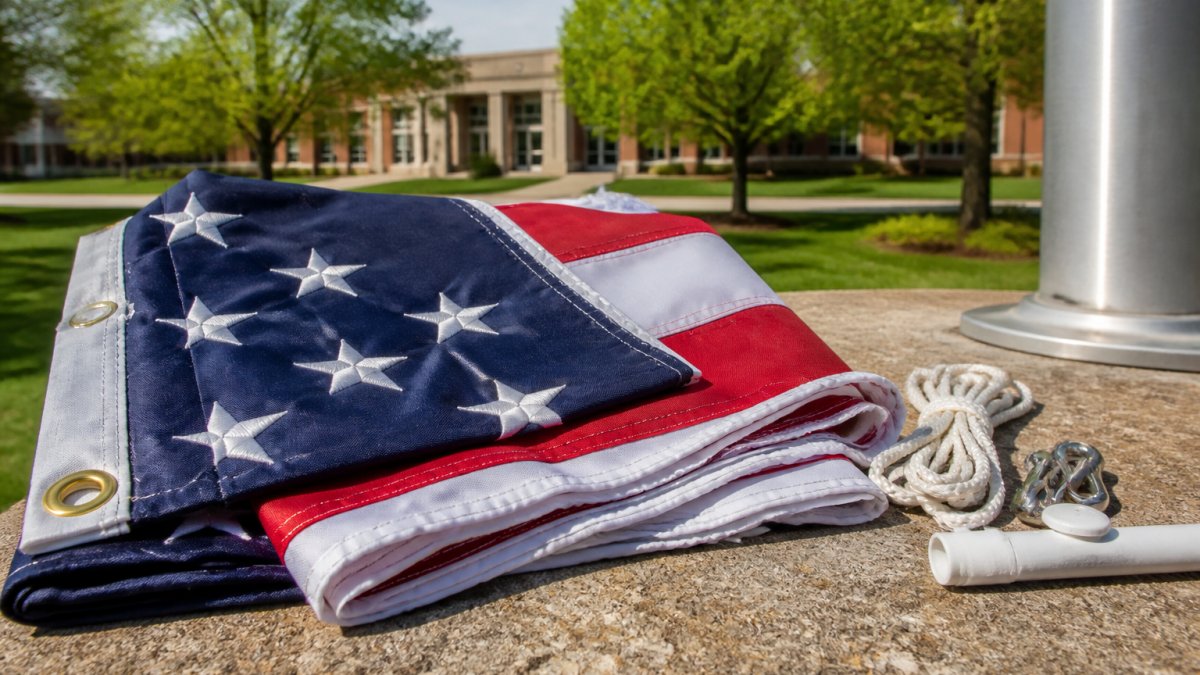
Sewn versus printed construction. Sewn stripes and appliqued stars use separate pieces of fabric joined by stitching, so the color is part of the fabric rather than sitting on the surface. Printed flags apply dye or ink to a single sheet, and that surface layer is what UV and abrasion attack first. Consumer feedback indicates printed flags fade faster and lack the structural integrity of sewn, American-made alternatives (Lovelanders Group discussion). For a flag that flies daily, sewn construction is the more durable choice.
The differences that matter most, in order of impact on lifespan:
Reinforced fly-end hem: extra rows of stitching where wind stress concentrates
Lock-stitched seams: resist unraveling under continuous flogging
Heavy-duty canvas header and brass grommets: hardware that holds at the pole without tearing through
Sewn construction: color built into the fabric instead of applied to the surface
Aniline dye process: deeper, longer-lasting color that fades evenly
How to Make an American Flag Last Longer
Pro Tip A quick monthly inspection and a habit of taking the flag down before storms will do more for lifespan than any single product. Consistency is what separates a flag that hits 90 days from one that reaches a year.
The maintenance steps are simple, but consistency is what separates a flag that hits 90 days from one that reaches a year. Custom flags made easy let you apply the same durable construction to your brand or event.
Fading vs Damage: When a Flag Needs Retirement
The U.S. Flag Code offers guidance on respectful display and retirement, though the American Legion notes the code is not legally enforceable and carries no penalties. Retirement is about respect, not law. Retire a flag when:
The fly end is frayed or torn beyond simple repair
Seams have separated or grommets have pulled free
Fabric has become thin or brittle from UV exposure
Color loss is severe enough to affect the flag's appearance as a symbol
Choosing Your American Made Flag at North American Flags
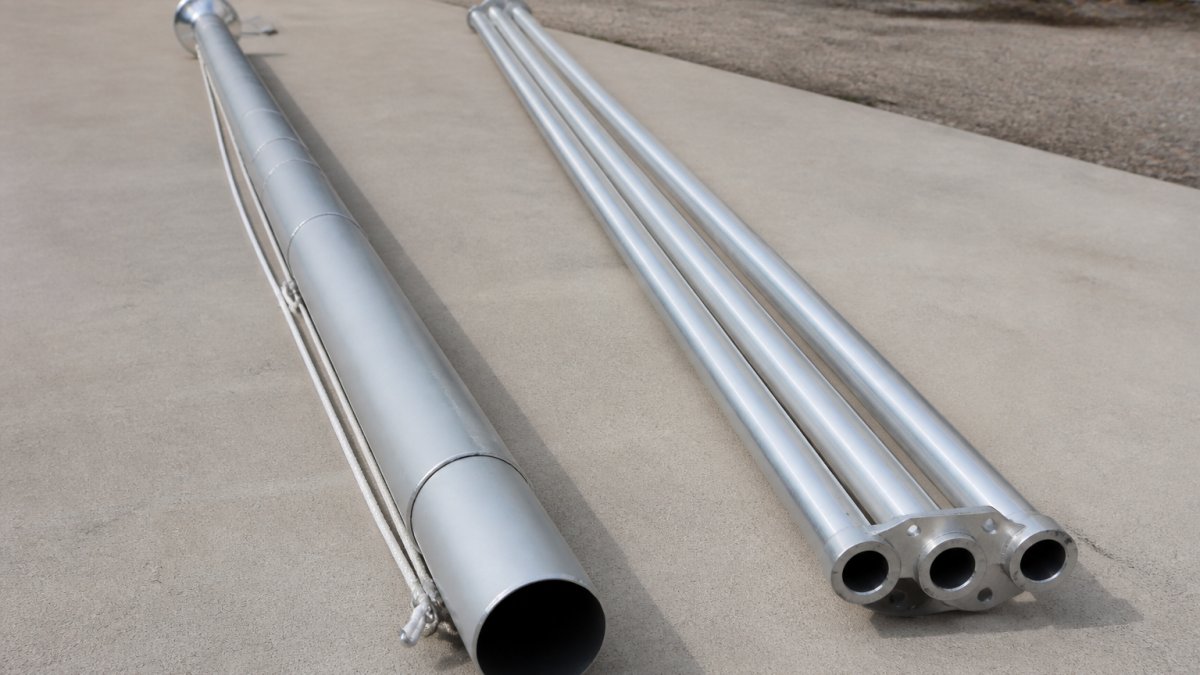
We are a family-owned business operating since 1972, and every product we sell is made in the USA. Browse our US flags to find the right one for your pole. We offer turnkey installation and maintenance services, including ground-mounted flagpoles up to 150 ft.
Frequently Asked Questions
Why do American-made flags last longer than imported ones?
Domestic manufacturers build flags from heavier, UV-stabilized fabric and sew the stripes and stars instead of printing them. The Flag Manufacturers Association of America reports that 94% of American flags sold are made domestically, and those producers follow quality standards imports are not held to. Sewn construction holds seams together in wind, while printed fabric fades and cracks. That difference is why a sewn American made flag typically outlasts a printed import by months of daily display.
What material makes an American flag last the longest?
Ultra Heavy Duty polyester is the top choice for longevity, according to 2026 industry analysis from Federal Flags. It resists UV fading and holds up to continuous wind better than lighter fabrics. Nylon is the better pick for everyday display because it dries fast and flies in light breezes. Cotton suits ceremonial and historical use but wears fastest outdoors. Match the material to how often the flag flies and what weather it faces.
How long does an outdoor American flag typically last?
An outdoor flag flown daily in continuous wind, rain, and sunlight lasts about 90 days, according to Custom Flag Company. Flags displayed occasionally or in milder conditions can reach 6 to 12 months. Climate matters: coastal wind and strong sun shorten life, while sheltered inland settings stretch it. Check the fly end for fraying every few weeks so you replace a flag before it tears loose from the pole.
How can I make my American flag last longer?
Take the flag down before severe weather and at night unless it is lit, and never let it whip against the pole in high wind. Rotate between two flags so each one rests. Wash nylon or polyester in mild detergent and let it air dry. Repair small frays early before they spread. Store the flag folded and dry, away from damp. These habits, paired with a sewn American made flag, add months to its service life.
The real test of any flag is how it looks after a full year of weather, and that outcome is decided long before you raise it. North American Flags helps you get it right the first time with American-made flags, professional flagpole installation, and ongoing maintenance from a team that has done this since 1972. Get started with North American Flags and fly a flag built to last.
Comments