
Liberty Flags vs Eder Flag: Which American-Made Flag Lasts
Last Updated: November 3, 2026
Quick Summary
Liberty Flags vs Eder Flag is a close call: Eder Flag wins on heavy-wind engineering and vertical stitching on select models, while Liberty American Made Solutions wins on curated selection. Both are domestic manufacturers that beat imported flags on lifespan, so neither is a bad buy.
Eder's Poly-Max is a 2-ply 100% polyester built for high-wind resistance.
The fly end shreds first, then grommets tear out when the header isn't reinforced.
Match flagpole height to flag size at roughly a 1:4 ratio.
Eder Flag has manufactured since 1887 and operates as an employee-owned company.
Compare cost per year of service life at the same size and exposure level.
Table of Contents
Liberty Flags vs Eder Flag: The Quick Comparison
American flag manufacturing generated $103.6 million in revenue in 2026, a 1.4% climb after five years of decline, according to IBISWorld's flag manufacturing industry analysis. That modest rebound puts a sharper point on a question buyers keep asking: when Liberty Flags vs Eder Flag comes up, which one actually holds up outdoors? At North American Flags, we've sold and installed American-made flags since 1972, so we judge both brands on the same criteria we use for our own stock.
Here's the short answer. Eder Flag wins on heavy-wind engineering and vertical stitching on select models. Liberty American Made Solutions wins on curated selection. Neither is a bad buy. Both are domestic manufacturers, and both beat imported flags on lifespan.
Side-by-Side Specs and What They Mean
Criterion | Liberty Flags | Eder Flag | What It Means for You |
Ownership model | Retail-focused, award-winning store | Employee-owned manufacturer | Eder controls its own production line |
Flags produced | Curated premium selection | Millions annually | Eder runs at industrial scale |
Signature fabric | Premium American-made constructions | Poly-Max 2-ply polyester | Poly-Max targets high-wind sites |
Stitching | Varies by product line | Vertical stitching on select models | Ask before you buy either |
Best for | Buyers who want a curated pick | High-wind and commercial exposure | Match the flag to the site |
Outdoor Flag Durability Comparison: Fabric, Stitching and Wind Load
Outdoor flag durability comes down to four measurable variables: fabric weight (denier), weave and ply, stitch pattern, and how the flag attaches to the pole. Most brand reviews stop at "polyester is tough." The useful comparison is what each variable does at the point of failure.
Eder's Poly-Max is a 2-ply 100% polyester built for high-wind resistance, and the brand reinforces corners on select models. Liberty's flags lean on premium domestic constructions but publish fewer fabric-specific durability claims, so the buyer has to ask. A durability study of American flags found Eder flags deliver high value and durability, which lines up with what we see on service calls.
Where Flags Actually Fail First
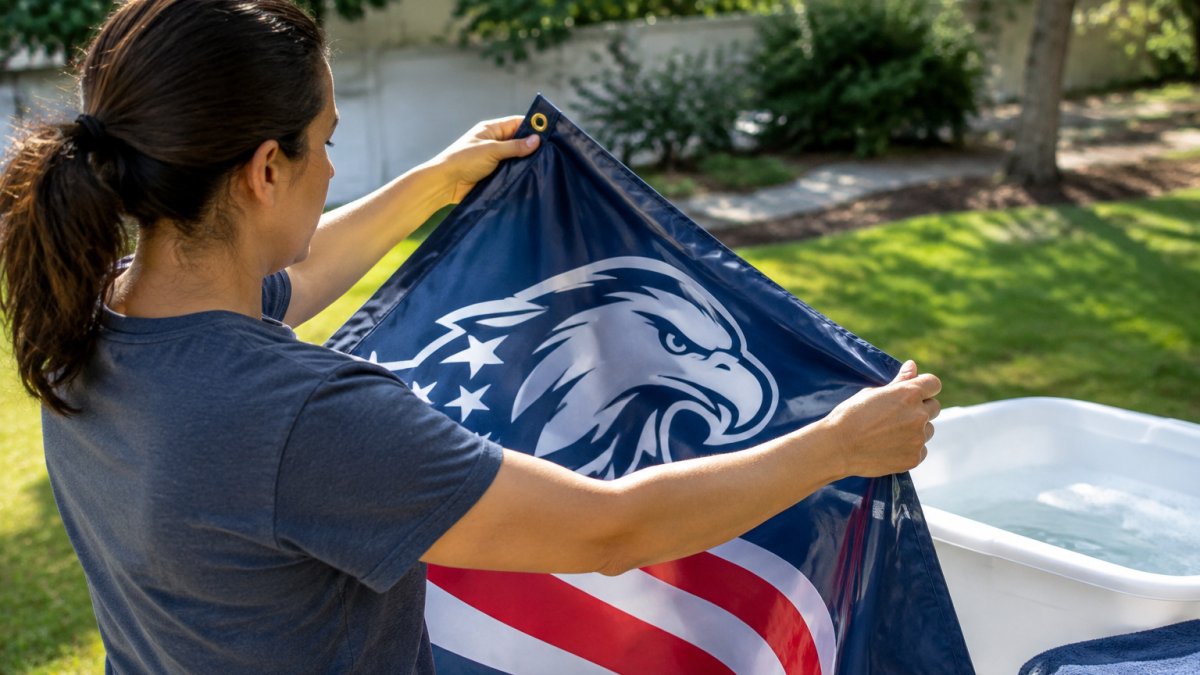
The fly end shreds first, every time. Constant whipping against the pole abrades the outer edge, then the stripes separate. Once the fly hem fails, the stripes unweave from the outside in.
Grommets tear out second, usually because the header wasn't reinforced. A standard canvas header absorbs the load, but a reinforced header with a turned hem and multiple rows of stitching distributes stress across the grommet rather than concentrating it at the hole.
Stitch and Header Specs to Ask For
When you compare flags, ask the seller about the following:
Stitch type: ask which stitch the flag uses on the fly hem.
Stitch density: ask how many stitches per inch the fly hem has.
Header construction: ask whether the header is reinforced.
Grommet material: ask which material the grommets are made from.
Buyers on the BuyItForLife community also flag finishing differences like nylon webbing, which some prefer and others don't. Nylon webbing is stronger than canvas but stretches and can abrade the pole; canvas is more traditional but absorbs water. Neither is universally better, which is why the spec matters more than the brand name.
Wind Load and Pole Friction
Wind load is the force the flag exerts on the pole and on its own attachment points. A flag rated for 15 mph sustained wind is not the same product as one rated for 25 mph. Most residential flags are built for occasional gusts; commercial and coastal sites need a flag with a higher wind rating and a pole with heavier wall thickness. Pole friction is the second half of the equation: a flag that wraps around the pole in a gust abrades faster than one that flies clear, which is why a halyard with a swivel snap and enough clearance matters as much as the fabric.

Watch out: a flag advertised as "heavy-duty" without a stated denier, ply, stitch density, or wind rating is a marketing claim, not a spec. Ask for the numbers before you pay.
The Best American-Made Flag Materials for Your Conditions
Match the fabric to the exposure:
Sheltered porch or light breeze: nylon
Open field, coastal, or rooftop: 2-ply polyester
Indoor or ceremonial display: cotton or nylon
How to Choose Flagpole Height for a Home or Commercial Display
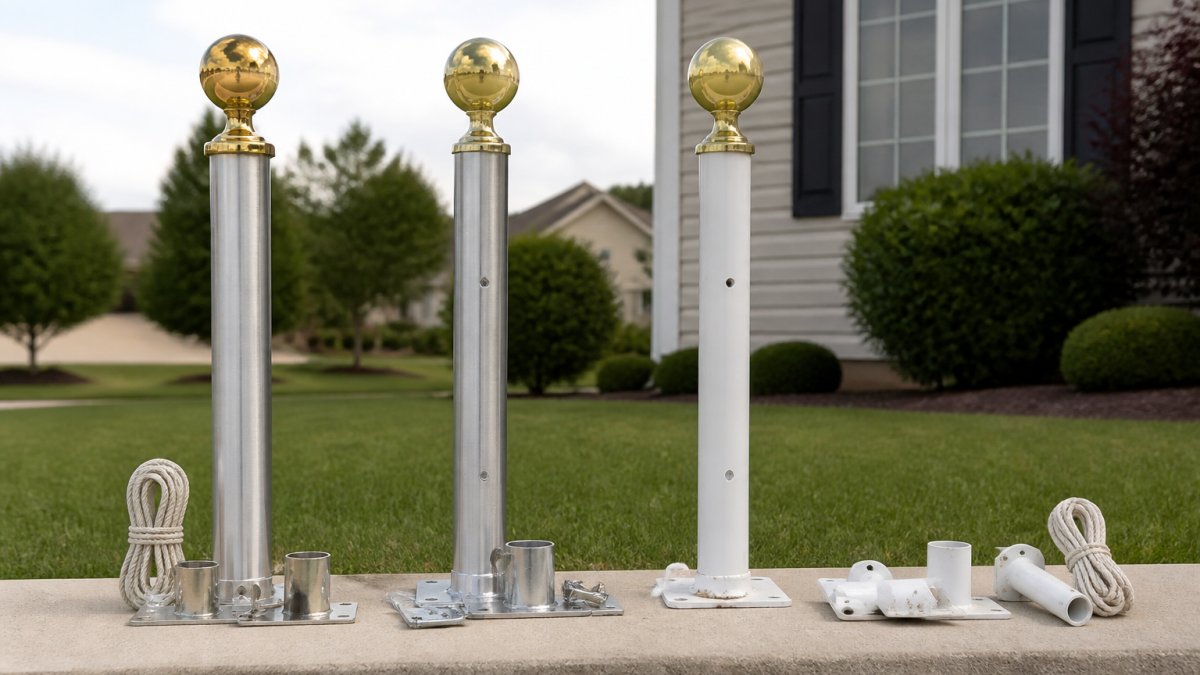
Flagpole height should match the flag's size at roughly a 1:4 ratio, so a 5-foot flag suits a 20-foot pole and a 10-foot flag suits a 40-foot pole. Undersized flags look limp; oversized flags overload the hardware and shorten fabric life.
For homes, 15 to 25 feet covers most front-yard displays. Commercial and institutional poles commonly run 30 to 60 feet, and ground-mounted poles go up to 150 feet for large sites. Wind load matters as much as height: an exposed site needs a heavier wall thickness and a stronger halyard. If you're still weighing dimensions, our guide on choosing the perfect flag size for your flagpole walks through the math.
Craftsmanship and Manufacturing Legacy: Employee-Owned vs Family-Owned
Eder Flag has manufactured since 1887, more than 130 years, and produces millions of flags annually according to ABC News reporting on Eder Flag. It operates as an employee-owned company. Liberty American Made Solutions built its reputation on domestic sourcing and service, earning a 'Best of 2026' recognition for flag stores.
North American Flags has been family-owned and operated since 1972, and you can read more about our history if legacy is part of your decision.
Value for Money: What Longevity Really Costs
The cheapest flag is rarely the least expensive. A budget flag that frays in one season costs more per year than a heavy-duty flag that lasts three. But "lasts three years" is a claim, not a metric, and the useful comparison is cost per year of service life at a stated exposure level.
The Cost-Per-Year Math
Run the math before you buy:
Divide the flag's price by the seasons it realistically lasts at your site's wind and sun exposure.
Add replacement shipping and any hardware you'll re-buy (grommets, snaps, halyard).
Compare that annual figure across both brands at the same size and exposure.
The catch is that the "three years" figure depends on exposure: a flag on a sheltered porch may last twice as long as the same flag on an open coastal pole.
What the Premium Actually Buys
Ask for the written warranty on the specific SKU you're buying, and check whether it covers labor, replacement, or both.
Longevity by Exposure Level
A common pattern among flag sellers is that the same flag model delivers different service life depending on site conditions:
Sheltered residential porch: the longest service life; UV exposure and wind abrasion are both low.
Open suburban yard: moderate; the fly end takes the most wear.
Coastal or rooftop: the shortest; salt, sustained wind, and full sun accelerate every failure mode.
That is why a head-to-head price comparison without an exposure level is misleading. The right question is not "which flag is cheaper" but "which flag costs less per year at my site."
The Hidden Costs
Replacement shipping and hardware are the costs buyers forget. A flag that fails at the grommet may take the halyard snap with it, and a flag that wraps the pole may abrade the pole's finish. Factor those into the annual figure.
Watch out: comparing sticker prices across different sizes and exposures is the most common way buyers miscalculate value. Match the size and the exposure level before you compare the annual cost.
Choosing Your Flag and Flagpole Setup
Watch out: buying on brand name alone without confirming stitch type and header reinforcement is how most premature flag failures happen.
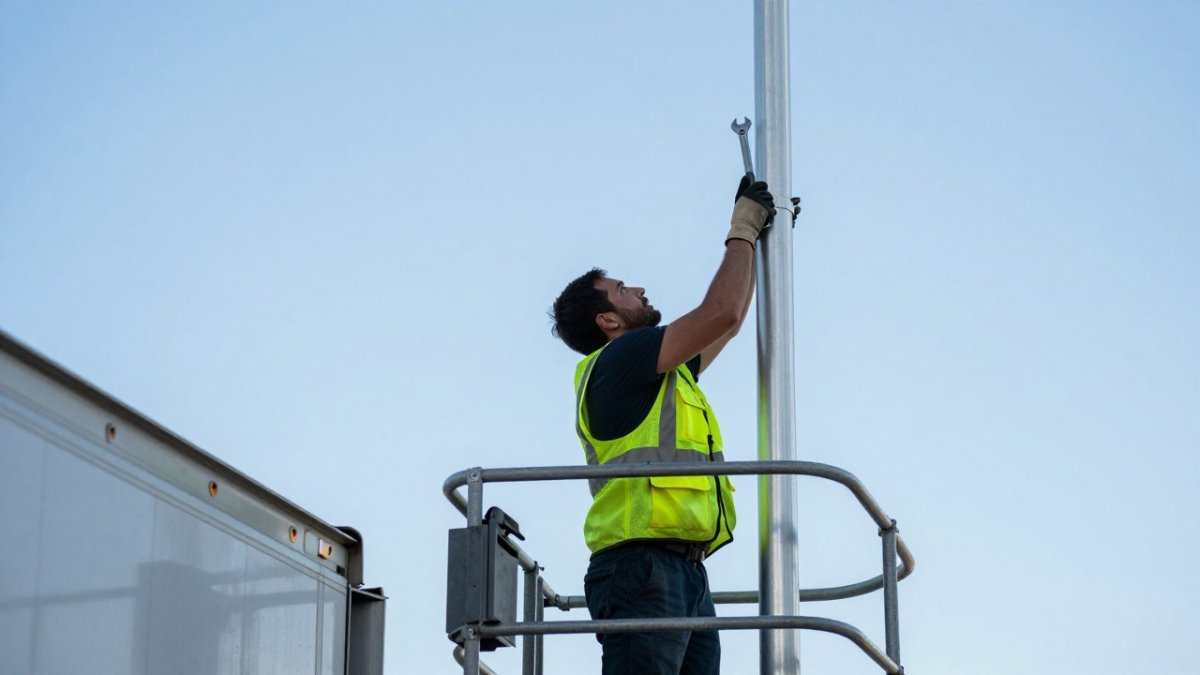
At North American Flags, we stock American-made flags and handle turnkey installation and maintenance, from house-mounted kits to ground-mounted poles up to 150 feet. Our team provides personalized service, custom logo flags, and ongoing support long after the sale. Get started with North American Flags and display a flag built to last.
Frequently Asked Questions
Is Eder Flag considered a top-tier manufacturer in the industry?
Eder Flag has manufactured flags and flagpoles since 1887 and produces millions of flags annually, according to ABC News reporting. Its Poly-Max 2-ply polyester fabric and reinforced corners are built for high-wind exposure, and the company is employee-owned. That combination of manufacturing legacy and industrial-grade materials places it among the established American makers. It is not the cheapest option, so buyers paying for longevity rather than a one-season display get the most from it.
How do Liberty Flags compare to other American-made flag brands?
Liberty American Made Solutions was recognized with a Best of 2026 award for flag stores and emphasizes domestic sourcing as a core brand pillar. Its strength is a curated selection of verified American-made flags backed by service, not industrial-scale manufacturing output. Against larger makers, expect a narrower catalog and less published durability data. If you want a specific fabric specification for a high-wind site, ask for it directly before ordering.
What is the highest quality American flag material for outdoor use?
Two-ply 100% polyester is the most weather-tested choice for constant outdoor exposure. It resists UV fading and holds up to sustained wind better than cotton, which mildews, and entry-level nylon, which frays faster at the fly end. Look for embroidered stars, stitched stripes, a reinforced header and double-needle lock stitching. A durability study from Flags.com found Eder American Flags deliver high value and durability, largely because of this construction standard.
How do I choose the right flagpole height for my property?
Match height to the flag size and the building. Ground-mounted poles are available up to 150 feet, and house-mounted kits are available for residential displays. Confirm wind load ratings and local setback rules before installation.
What factors determine the longevity of an outdoor American flag?
Four factors affect how long a flag lasts: fabric type, stitching quality, wind exposure and maintenance. Taking a flag down during severe storms and following the manufacturer's care guidance can help extend its usable life.
Comments